
Traditional vs Self-Publishing for UK Non-Fiction Authors: Pros and Cons
A clear-eyed comparison of traditional and self-publishing for UK non-fiction authors, covering costs,...

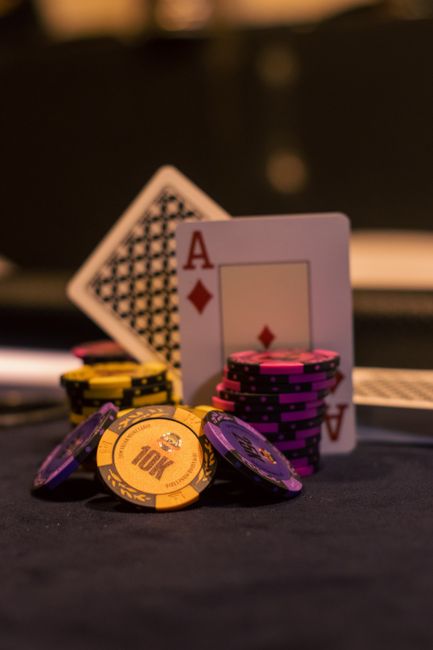
There's a specific kind of sadness in watching a slots player sit down at a poker table for the first time. They've got the bankroll, they've got the confidence, and they've got absolutely no idea that they just sat down at the one game in the casino where the house can't hide behind a random number generator. Twenty minutes later they've lost three buy-ins and they're convinced the site is rigged. It isn't. They just brought a blackjack mindset to a chess match.
Here's the thing nobody tells you when you start dabbling in iGaming: slots, sports betting, and poker are not the same animal wearing different skin. They attract different personalities, reward different skills, and destroy different bankrolls at completely different speeds. Understanding the actual mechanics behind each one is the difference between a hobby and a slow bleed.
Every game in a casino has an expected return. That number is not negotiable. It's not impacted by how lucky you feel, whether you're on a hot streak, or whether you deposited with Bitcoin at 3 a.m. Here's what the actual numbers look like across popular categories:
Notice the pattern? Poker is the only game on that list where you're not fighting the casino directly. You're fighting the other people at the table. That's an enormous distinction, and it's exactly why slots addicts make terrible poker players at first — they're used to outcomes determining everything, not decisions. slot dana covers this in more detail.
Slots are engineered for dopamine. Variable ratio reinforcement — the same psychological mechanism that makes social media scrolls addictive — runs the entire experience. You don't know when the bonus will hit. That uncertainty is the point. Slot designers spend millions on sound effects, animation timing, and near-miss visuals precisely because those elements keep you engaged through the dry spells.
That's not a conspiracy. It's product design. And honestly, there's nothing wrong with enjoying it as long as you understand what you're paying for. You're paying for entertainment, not returns. The slot doesn't care if you've studied its paytable. A player who knows every symbol combination on Sweet Bonanza and a player who's never seen it before have identical odds on the next spin. That's the deal.
If you play slots, track your session time rather than your balance. Balance swings are random; time-on-device correlates with total spend. Sixty minutes at a reasonable stake will almost always cost you more than you expect, regardless of any wins along the way.
Here's where the iGaming experience splits into two completely different paths. In poker, the cards you're dealt matter less than the decisions you make with them. A mediocre hand played well beats a great hand played badly, and that reality is ruthlessly consistent in the long run.
The most profitable skill in low-stakes poker isn't bluffing. It's not even hand reading. It's folding. New players call too much, chase too many draws, and defend hands they should throw away without a second thought. At $0.05/$0.10 tables on any major platform, a player who simply plays tight-aggressive poker and refuses to hero-call rivers can grind out a steady return. Not glamorous. But real.
Compare that to a slot session — you can't fold. There's no decision. Every spin is the same decision made over and over. For some people that's relaxing. For others it's maddening. Knowing which camp you fall into saves you real money.
Sports betting lands somewhere between the two. You have information to process — injuries, weather, line movement, rest days — but you're still betting against a market that's already priced in most of what you know. The closing line is the sharpest number available, and consistently beating it is the only reliable measure of skill.
Most recreational bettors obsess over picks. The pros obsess over bankroll management and shopping for the best price. Taking the same bet at +105 instead of -110 across 200 bets is the difference between profitable and flat. That's not glamorous advice, but neither is any other sustainable edge in gambling.
Almost every operator now offers welcome packages: 100% match up to $500, 200 free spins, poker rake races, odds boosts. Read the terms. The vast majority of these come with wagering requirements between 30x and 50x on the bonus amount, sometimes on the bonus plus deposit. A $100 bonus at 40x means you need to wager $4,000 before you can withdraw a cent of it. Slot contributions are usually 100%, but many casinos weight table games at 10% or lower — and poker sometimes doesn't count at all.
Two practical rules worth adopting:
They specialize. Wide-ranging dabblers rarely build a sustainable edge because they never spend enough time in one game to see past the variance. A slot grinder understands volatility and volatility-adjusted return. A cash game poker player studies solver outputs and reviews hand histories. A sharp sports bettor lives in a spreadsheet.
They also share one habit: they track everything. Sessions played, stakes, results, hours. Not because dashboard numbers feel nice, but because memory lies. You will remember the bad beats and forget the lucky rivers. Only a log tells you the truth.
And they walk away. Not dramatically, not with some drunk-on-the-sidewalk vow to quit forever. They just stop when the pre-set limit hits, whether the session was winning or losing. The casino is open tomorrow. It will be open next month. Nothing about this game rewards urgency.
The iGaming world is genuinely entertaining, occasionally profitable, and always adversarial to the casual player. Slots will take your money at a predictable, mathematically certain rate. Poker will take it too — but also hand you the tools to earn it back. Sports betting will test whether your opinions survive contact with a sharp line. The players who thrive are the ones who pick one form, study it seriously, and stop pretending that any of them are the same.
A clear-eyed comparison of traditional and self-publishing for UK non-fiction authors, covering costs,...
Rights are the real currency of a publishing deal. Here's a plain-English guide to world rights,...
How to write reviews of self-published books that UK readers trust: honest star ratings, clear disclosure,...